The Abbasid Revolution and the End of Umayyad Rule
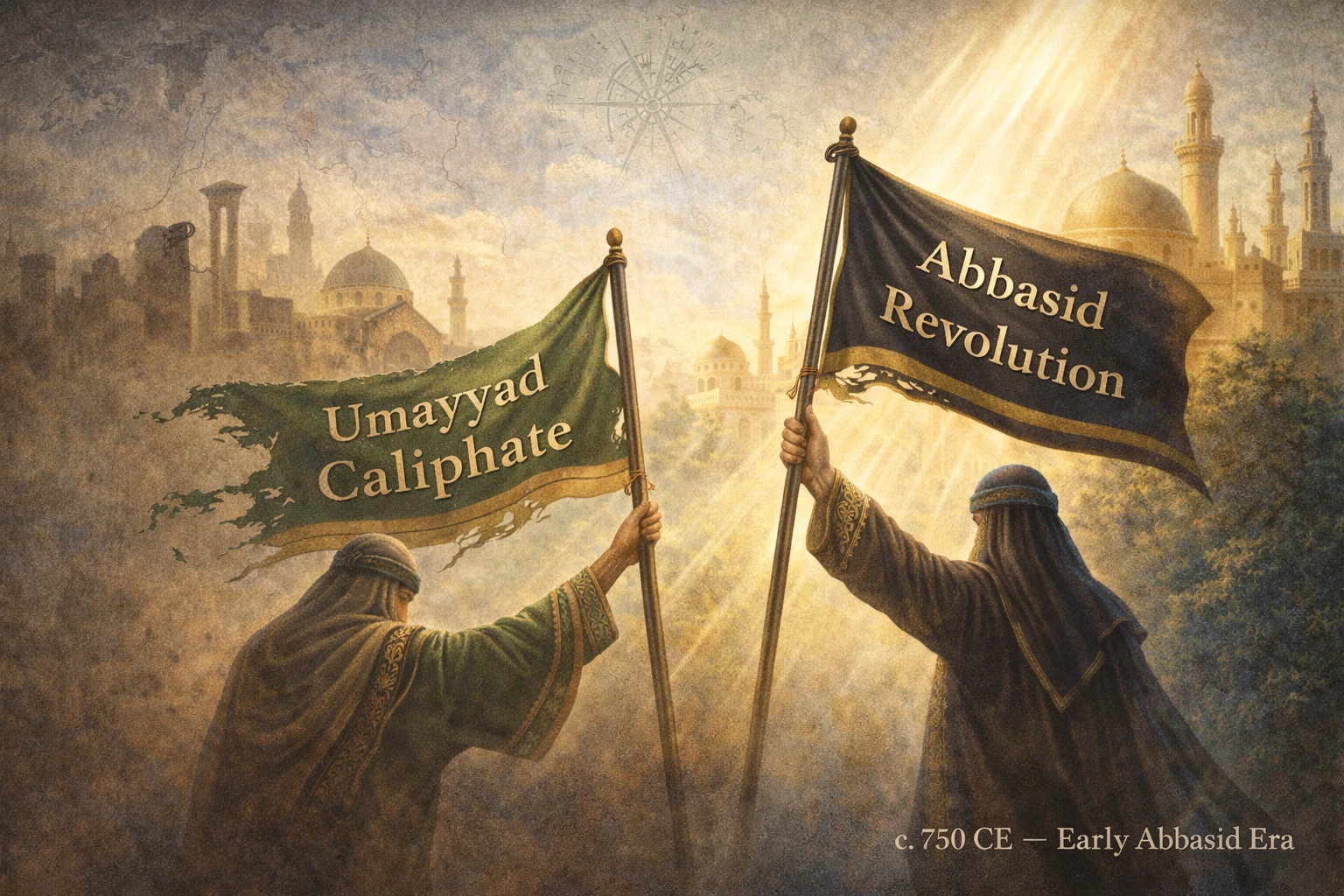
Abbasid Revolution Explained The Fall of Umayyad Rule

An Empire That Looked Stable but Had Already Started Cracking In the years following 720 CE, the Umayyad Caliphate stood at its greatest territorial extent, yet it was entering one of its most fragile internal phases. The death of Caliph Umar ibn Abd al-Aziz marked a quiet but decisive turning point. His short reign had attempted to realign governance with Qur’anic ethics—ending discriminatory taxation on non-Arab Muslims, restraining governors, and emphasizing moral accountability. When he died, those reforms were not …
Read more

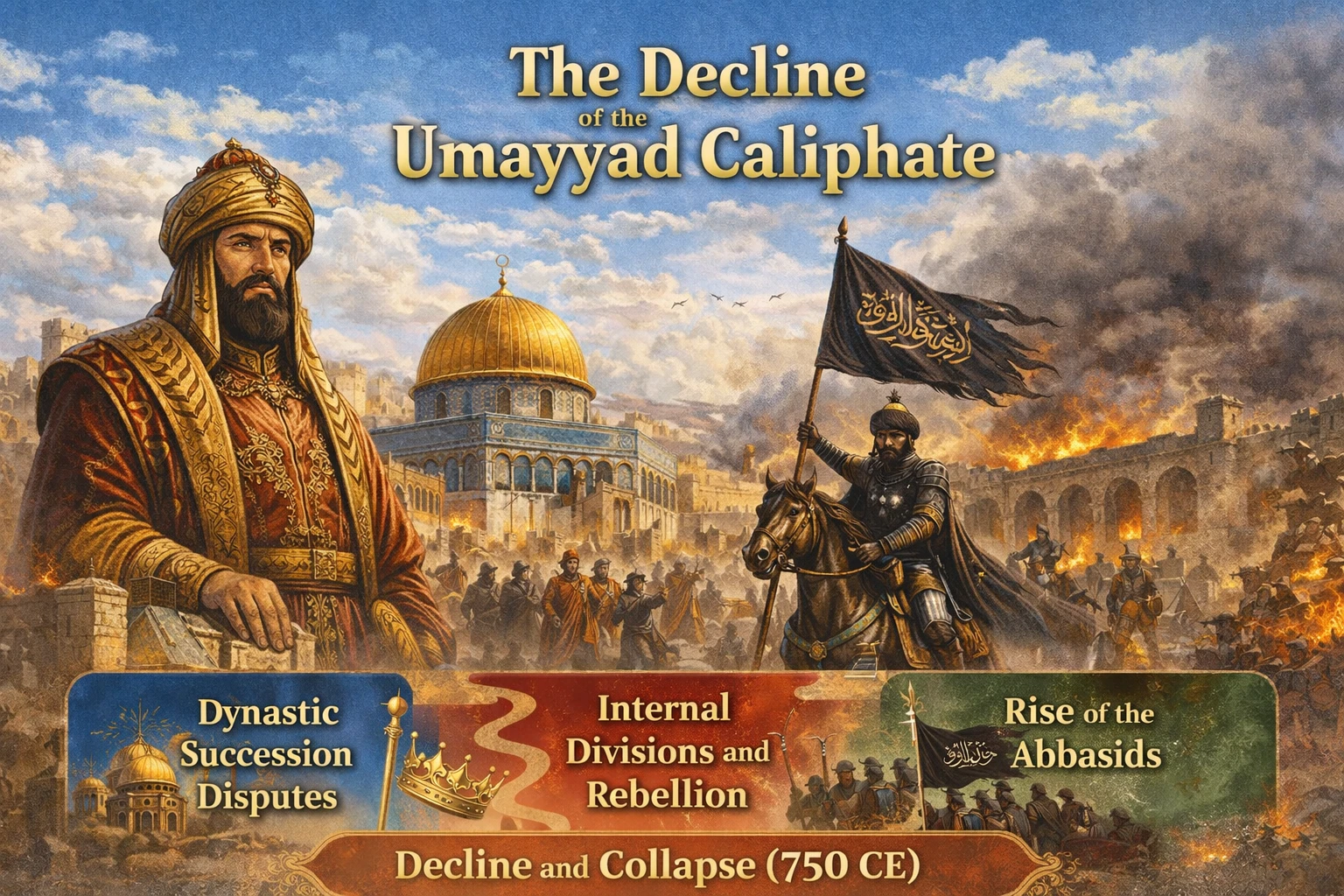
The Decline of the Umayyad Caliphate: Power and Political Change

Decline of the Umayyad Caliphate Power and Political Change The Fall of the Umayyads: How Power Lost Its Moral Anchor, Damascus at Its Height, and the Silence Beneath It (720 CE) In the year 720 CE, Damascus appeared invincible. The Umayyad capital was not merely a city; it was the administrative nerve center of the largest empire the Muslim world had yet known. From the courtyards of the Great Mosque of Damascus, completed under Caliph al-Walid ibn Abd al-Malik, authority …

Read more

How Moral Resistance Formed Under Umayyad Rule

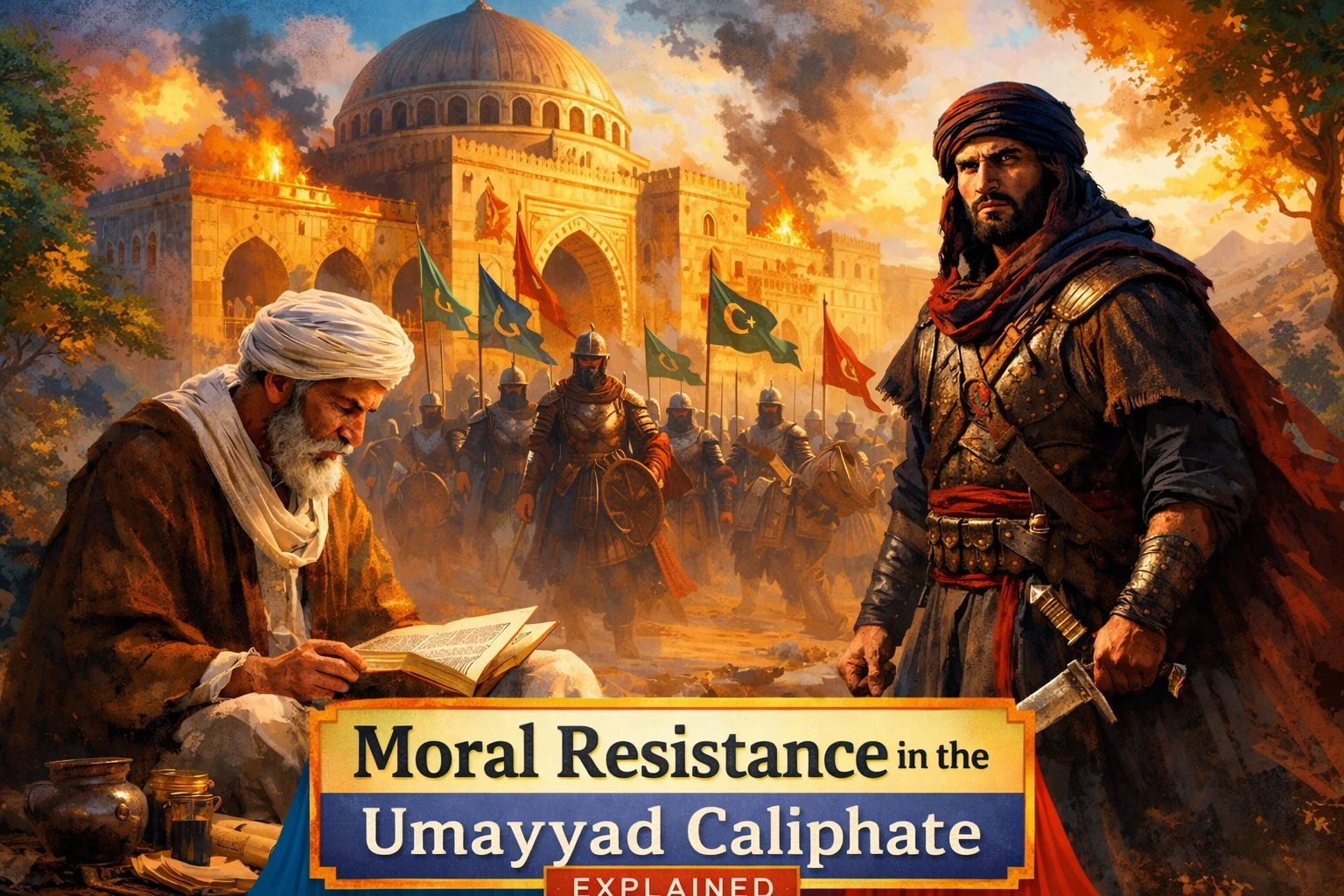
Moral Resistance in the Umayyad Caliphate Explained

Moral Resistance in the Umayyad Caliphate Explained The Real Story of Power, Decisions, and Conscience in Early Islamic History, When Authority Began to Speak Louder Than Ethics By the middle of the first Islamic century, the Muslim world had entered unfamiliar territory. Islam had spread rapidly, armies had crossed continents, and Damascus had become the seat of one of the largest empires the world had yet seen. Yet inside this success story, a quieter transformation was unfolding. Authority was no …

Read more

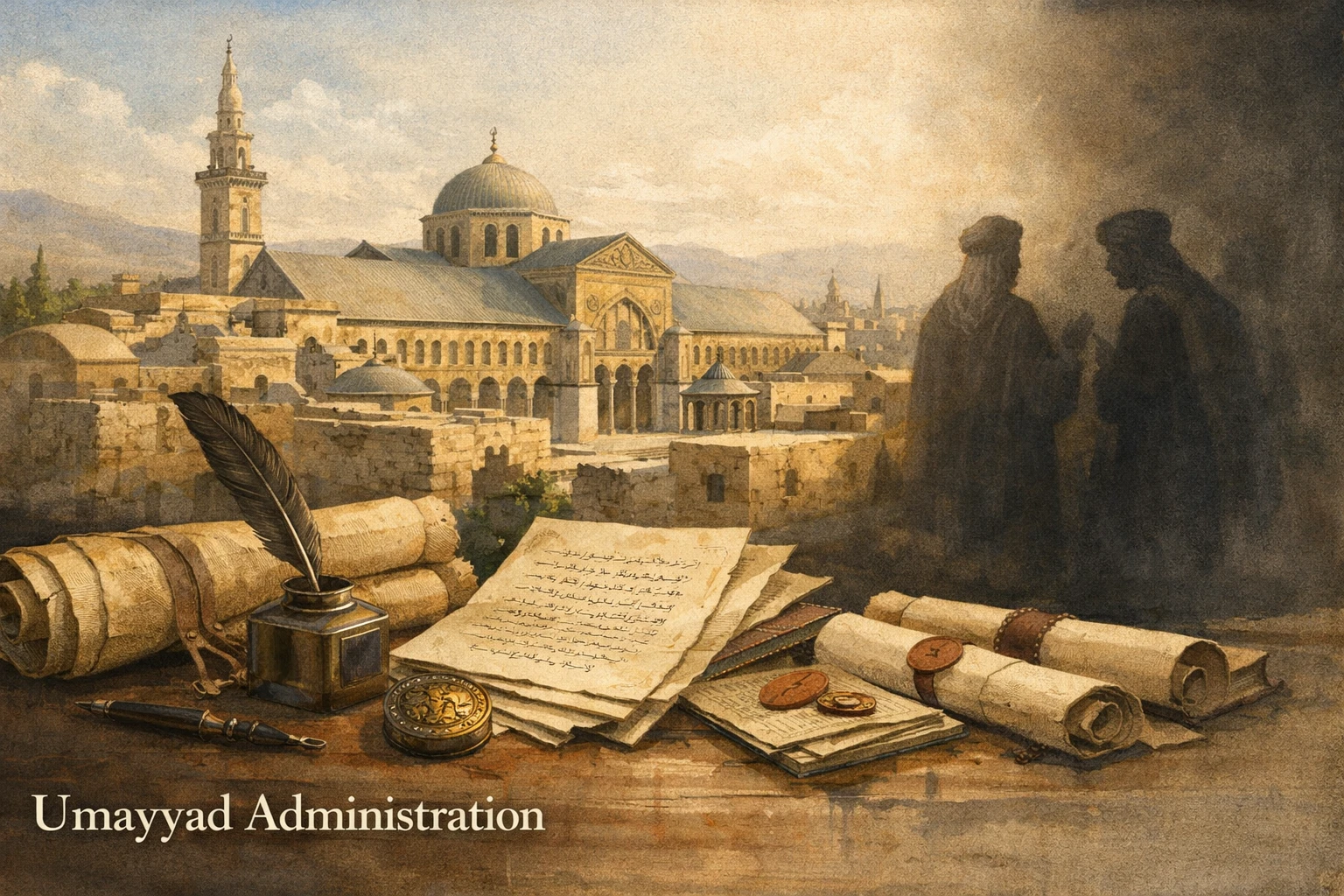
Umayyad Administration: How the First Muslim Empire Actually Worked

Umayyad Administration System and Governance

How the First Muslim Empire Actually Worked — and What It Revealed About Power in Islam Introduction: When Faith Became Governance Islam did not appear in history as a private belief system or a spiritual retreat from society. From its earliest days, it addressed how humans live together, resolve disputes, and exercise authority with responsibility. After the passing of the Prophet Muhammad ﷺ, the Muslim community faced a challenge that was as moral as it was political: how to preserve …

Read more

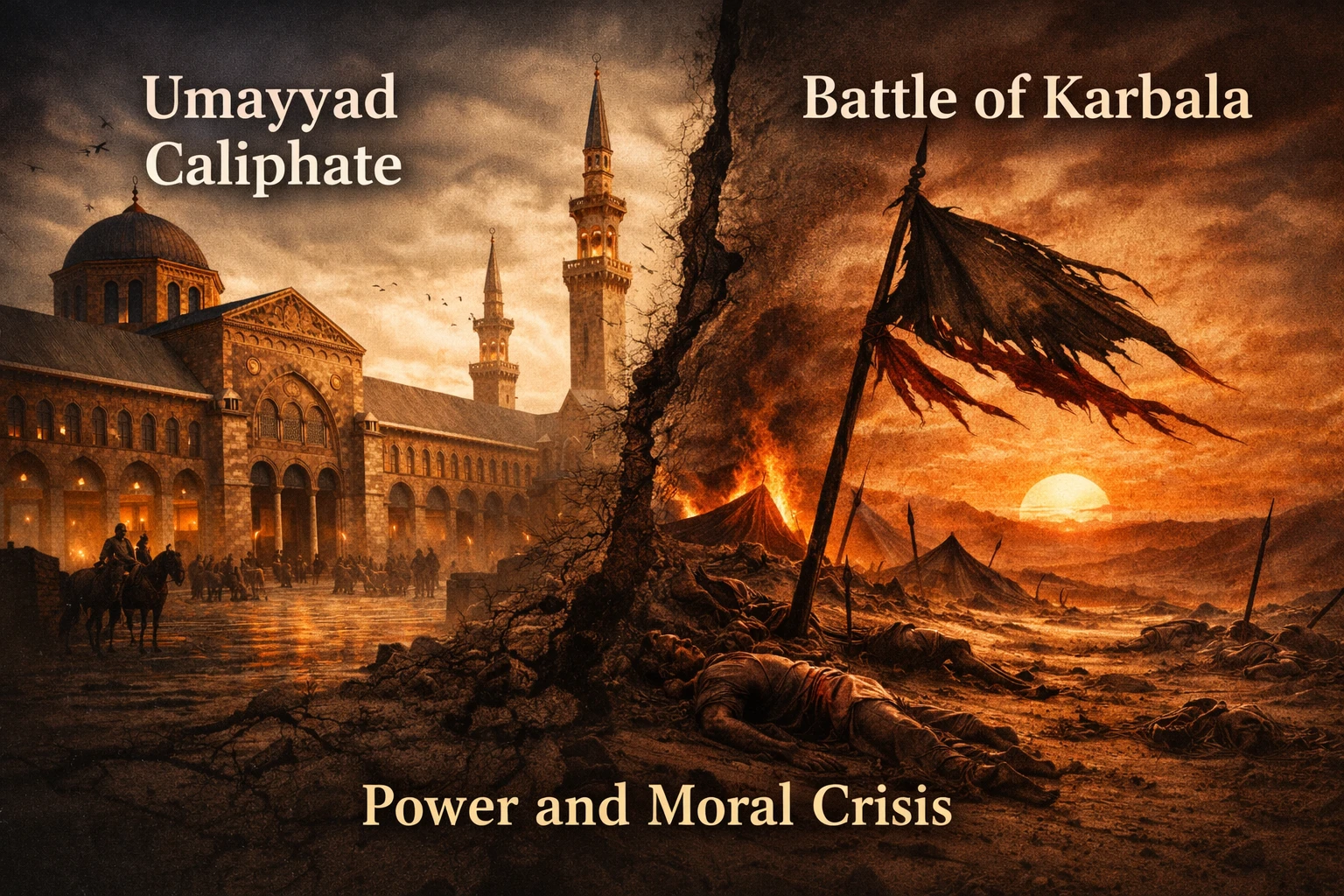
From Rule to Rupture: Power, Conscience, and Society in the Umayyad Era

Umayyad Caliphate Power and Moral Crisis from Karbala to Abbasid Rise

Umayyad Caliphate Power and Moral Crisis from Karbala to Abbasid Rise When Leadership Changed Its Meaning In the earliest days of Islam, leadership was never pursued—it was endured. Abu Bakr, Umar, Uthman, and Ali (may Allah be pleased with them) did not see authority as a prize to be won, but as a burden to be carried. Their power came directly from proximity to revelation, from living with the Prophet Muhammad ﷺ, absorbing not only his words but his character, …

Read more

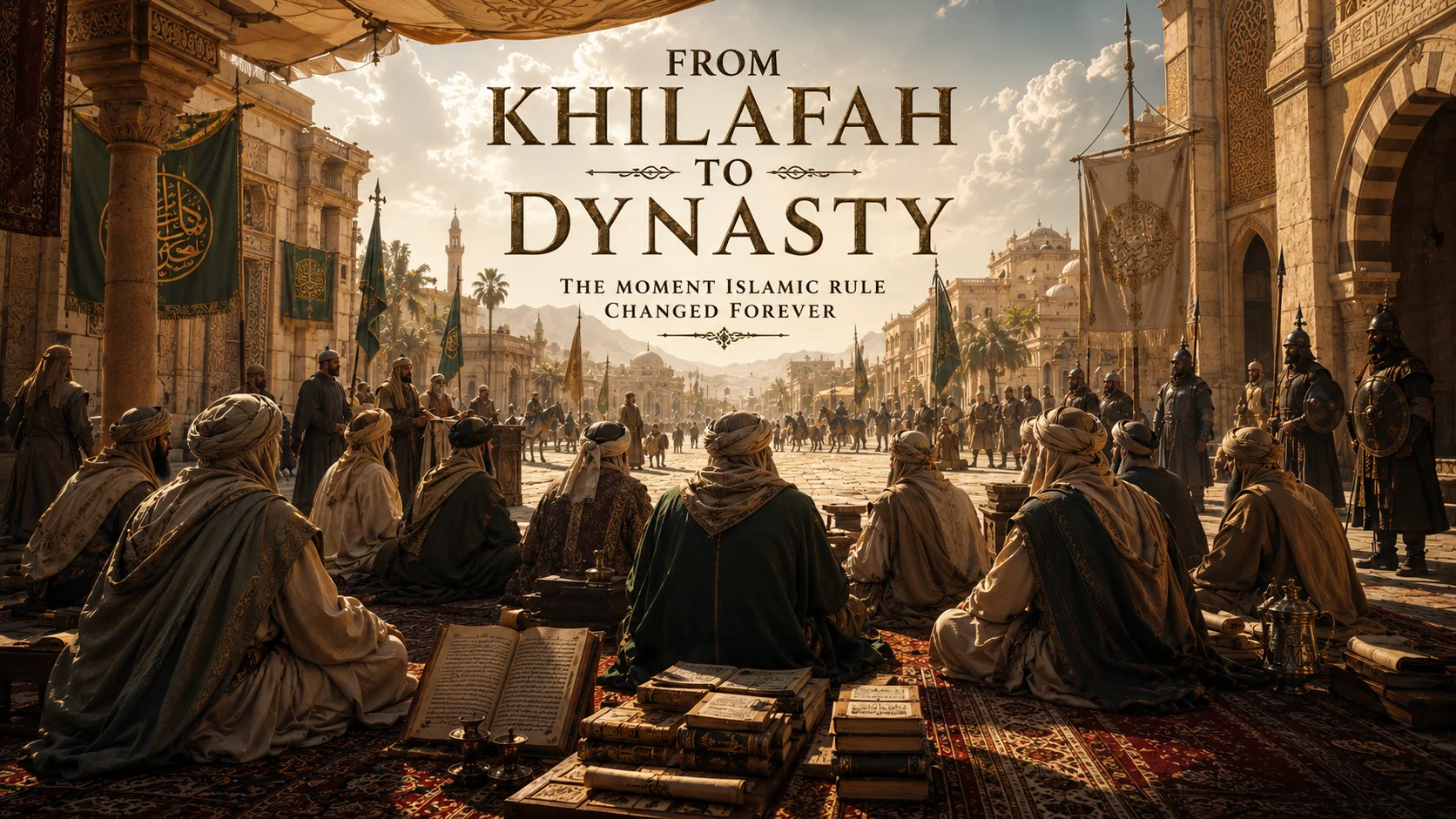
From Khilafah to Dynasty: How Power Changed the Shape of Islamic Rule

From Khilafah to Dynasty How Power Changed the Shape of Islamic Rule

From Khilafah to Dynasty How Power Changed the Shape of Islamic Rule A Turning Point the Ummah Never Planned For The era of the Rightly Guided Caliphs was never designed to become a permanent political model. It was a response to an extraordinary moment in history, when faith, leadership, and moral responsibility were carried by individuals shaped directly by the presence of the Prophet Muhammad ﷺ. Authority during this period was not inherited, demanded, or celebrated. It was accepted with …

Read more

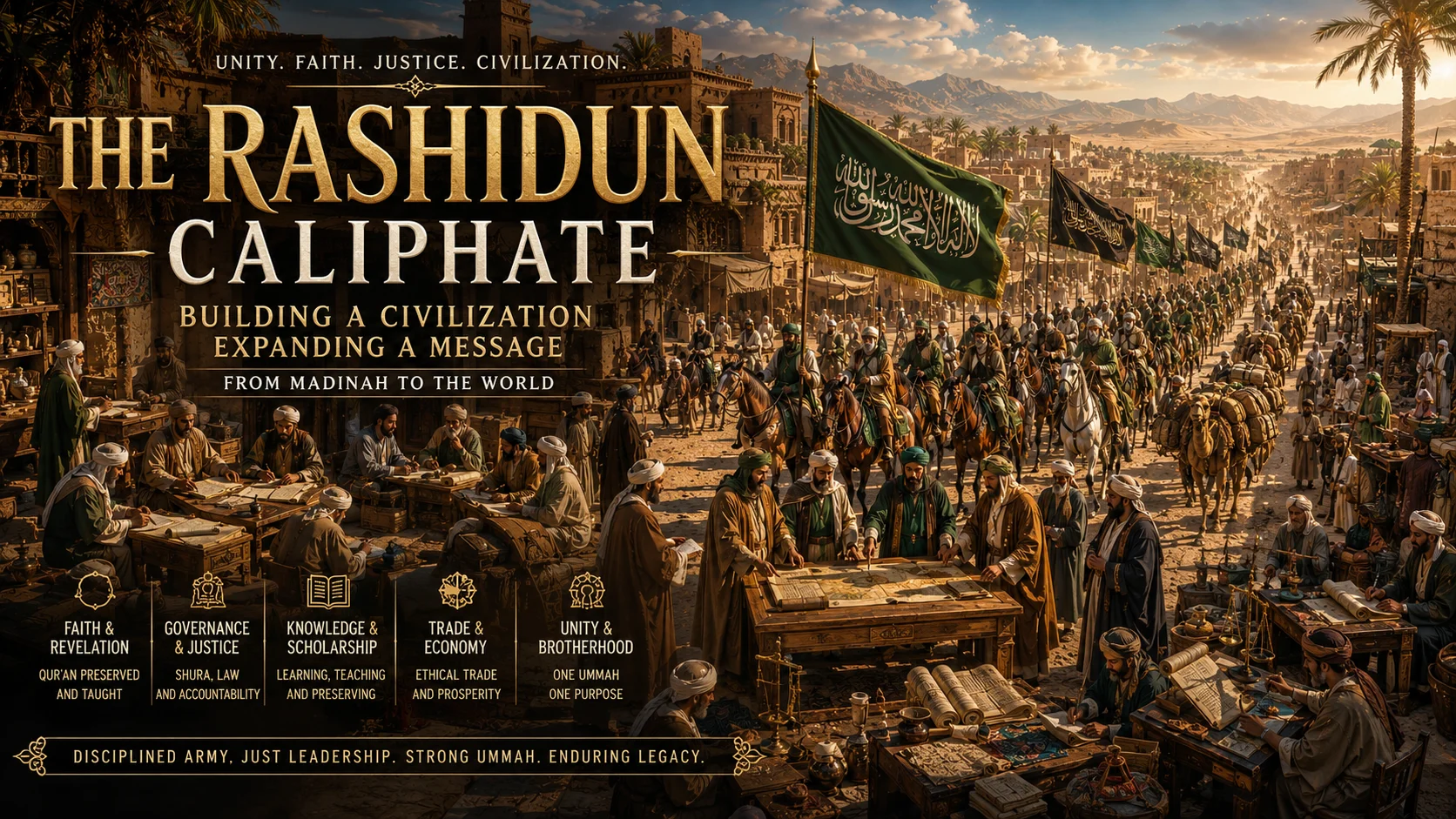
From Revelation to Rule: How Islam Became a Living State After the Prophet ﷺ

From Revelation to Rule: How Islam Became a Living State After the Prophet ﷺ

From Revelation to Rule: How Islam Became a Living State After the Prophet ﷺ A Silence That Changed History When the Prophet Muhammad ﷺ passed away in Madinah in 632 CE, the city did not simply lose a leader—it lost the center around which life itself revolved. Revelation had shaped belief, but the Prophet ﷺ had shaped conduct, judgment, mercy, and authority. His departure from this world created a silence filled with uncertainty. Many companions were overcome with grief so …

Read more